Lender refuses to complete on a foamed warehouse
We strip the foam, expose the deck and issue a photo record plus waste transfer notes. That evidence pack is what lenders ask for, and it usually unblocks the transaction within weeks of completion.
Warehouse spray Foam removal in London is a specialist job: industrial units carry thousands of square metres of open cell and closed cell spray foam, and most of it was applied without a ventilation plan. We strip it back to the deck, restore airflow and hand you the paperwork your insurer or buyer wants. Our team covers every London borough, from Park Royal distribution sheds to Barking trade units.
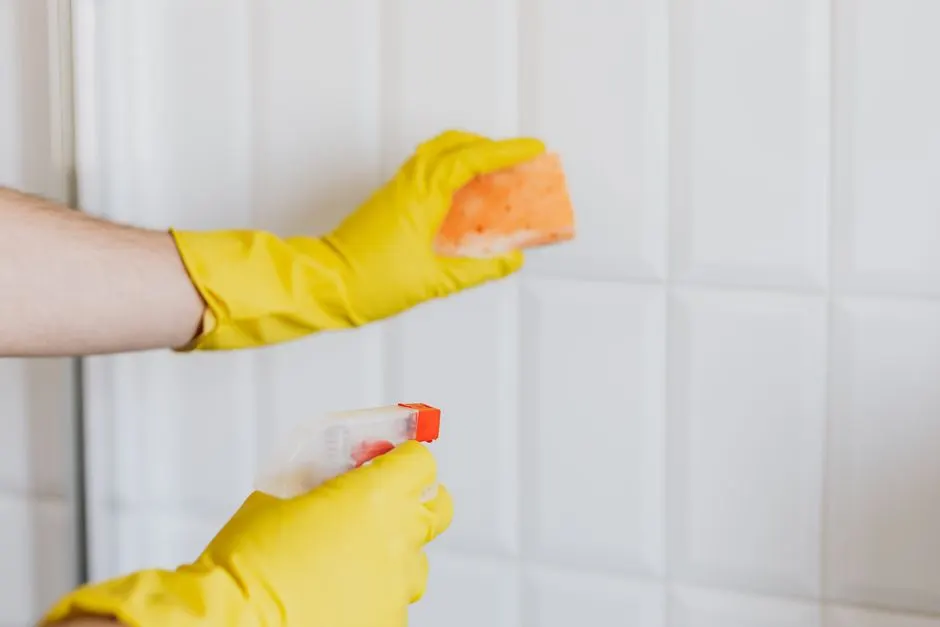
Warehouse spray Foam removal in London means mechanically stripping cured polyurethane foam from roof decks, purlins, wall panels and steelwork inside a commercial building, then disposing of it under waste regulations. On a typical 1,000 sq m unit we are removing between 25 and 60 cubic metres of foam, which is why the job is done with negative air machines, industrial vacuums and HEPA filters running the whole time. It is not a loft job scaled up. It is a controlled strip-out with dust containment, access planning and a paper trail.
Most London warehouse owners call us because foam has trapped moisture against a metal deck, blocked roof ventilation, or triggered a lender query during a sale or refinance. Foam applied in the 2000s and 2010s is now failing: it shrinks, pulls away from the deck and hides rot underneath. If you have been searching for warehouse foam removal near me London and every quote sounds vague, that is usually because the contractor has not surveyed the roof void properly. We do that first, with a thermal imaging camera, before anyone picks up a tool.
Every strip-out is priced as a complete job, not a labour rate plus extras. The inclusions below are standard on warehouse work. Replacement insulation, roof repairs and scaffold hire are quoted separately if you need them.
Before we quote, we survey the roof void with a thermal imaging camera to map moisture behind the foam and confirm the true extent of the strip-out. You get the images as part of the written scope.
Protective sheeting, negative air machines and air scrubbers with HEPA filters are set up before any cutting starts, and stay in place until the deck is clear and inspected.
Mechanical cutting with reciprocating saws and oscillating multi-tools, followed by dry ice blasting or sand blasting media to clear adhesive residue from the deck and purlins.
All foam waste is bagged, removed in covered skips and documented with waste transfer notes issued in your name. Nothing is left on site for someone else to deal with.
Once the foam is off, we inspect and photograph every purlin and deck sheet, note any corrosion or defects, and hand you a condition report you can pass to a surveyor, lender or insurer.
We attend your unit, measure the foamed area, check roof access and photograph the deck from inside. A thermal imaging camera shows us where moisture is sitting behind the foam. You get a written scope, a fixed price and a programme within 48 hours of the visit.
On day one we build protective sheeting barriers around the work zone, run negative air machines and position air scrubbers with HEPA filters. Racking and stock get covered. If your unit is live, we work in phases so half the floor keeps operating while we strip the other half.
Technicians in protective clothing and respirators cut the foam back using reciprocating saws and oscillating multi-tools, then finish the deck with dry ice blasting or sand blasting media where the adhesive residue is stubborn. A 1,000 sq m roof typically takes four to seven working days.
Industrial vacuums collect foam fragments at source. Everything goes into disposal bags and leaves site in covered skips with waste transfer notes issued to you. We do not leave foam on your yard for a third party to deal with.
Once the deck is clear we inspect every purlin and sheet, photograph defects and give you a condition report. If you want replacement insulation fitted, we quote that separately. You get the waste notes, the photo record and a signed completion sheet.
Purpose-built equipment, used by trained technicians — so the job is done accurately the first time.
Used during the survey to map moisture sitting behind foam and confirm which sections genuinely need stripping. It also shows us where roof ventilation has been blocked.
Run continuously during cutting to pull dust away from the work zone and filter it through HEPA filters, keeping the rest of your warehouse usable.
Collects foam fragments and dust at source rather than letting them settle on racking, stock or machinery. Essential on units that stay operational.
The main cutting tools for bulk foam removal. The reciprocating saw handles deep sections, the multi-tool gets into corners around purlins and fixings.
Fires dry ice pellets at the deck to freeze and lift adhesive residue without abrasives. Our preferred finish on metal decks where sand blasting media would be too aggressive.
Used where foam has bonded hard to steel or masonry and mechanical cutting leaves residue behind. Media is recovered so nothing is left in the void.
Every technician working in the void wears full protective clothing and a fitted respirator. Foam dust and old polyurethane off-gassing are not things to breathe.
Closed cell foam covered the entire metal deck, applied in 2012 to stop a leak. The lender would not complete on a sale because the roof could not be inspected. Water was tracking under the foam and staining stock below.
Foam stripped in six working days with dry ice blasting to clear residue. Deck photographed in full, two corroded purlins identified and documented. Waste transfer notes issued. Sale completed four weeks later.
Foam on a 1980s portal frame roof, with water dripping onto palletised stock every time it rained. The unit could not close, so the work had to be phased around trading hours.
Emergency make-safe within 48 hours, then a phased strip-out over nine working days. Half the floor kept operating throughout. Leak path exposed and repaired, stock damage stopped.
Closed cell foam from a 2011 refurbishment across the whole roof. The insurer was asking for evidence the foam was not trapping moisture, and the owner had no documentation from the original installation.
Thermal imaging identified wet zones, foam stripped from affected bays, every bay photographed before and after. Condition report issued to the insurer. Policy renewed without an exclusion.
Foam on a commercial roof causes a small number of very expensive problems. Most of them only surface when a surveyor, lender or insurer gets involved.
Ask a pro →We strip the foam, expose the deck and issue a photo record plus waste transfer notes. That evidence pack is what lenders ask for, and it usually unblocks the transaction within weeks of completion.
Our thermal imaging survey finds the wet zones before we cut. We strip the foam, expose the affected steel, document the damage for your insurer and treat what we find before it spreads further.
Removing the foam restores the ventilation path the roof was designed with. On most London units we see internal humidity drop within days of the strip-out, and the drip staining stops.
We remove the foam from deck and purlins so the structure is fully visible, then photograph every section. The condition report we issue gives the surveyor what they need to complete.
Most commercial strip-outs in London run between £28 and £55 per square metre in 2026, so a 1,000 sq m warehouse typically lands between £28,000 and £55,000. Access, roof height, foam thickness and whether the unit is live all move the number. We survey first and quote a fixed price, so you are not guessing.
Yes. We strip open cell and closed cell foam from metal deck, purlins, wall panels and steelwork in warehouses across every London borough. If your unit is in Park Royal, Barking, Croydon or anywhere between, we will survey it, confirm access and give you a start date. Live sites are worked in phases.
It is necessary when foam is trapping moisture, blocking roof ventilation or stopping a survey. London's damp winters and older industrial stock make that common. If a lender, insurer or surveyor has raised it, removal is usually the only route that unblocks the sale or the policy. A thermal survey tells you for certain.
A 1,000 sq m warehouse roof takes four to seven working days to strip, contain and clear. Larger units of 3,000 sq m and above run two to three weeks. Access, roof height and how much adhesive residue needs dry ice blasting or sand blasting all affect the programme, which we confirm in writing before mobilising.
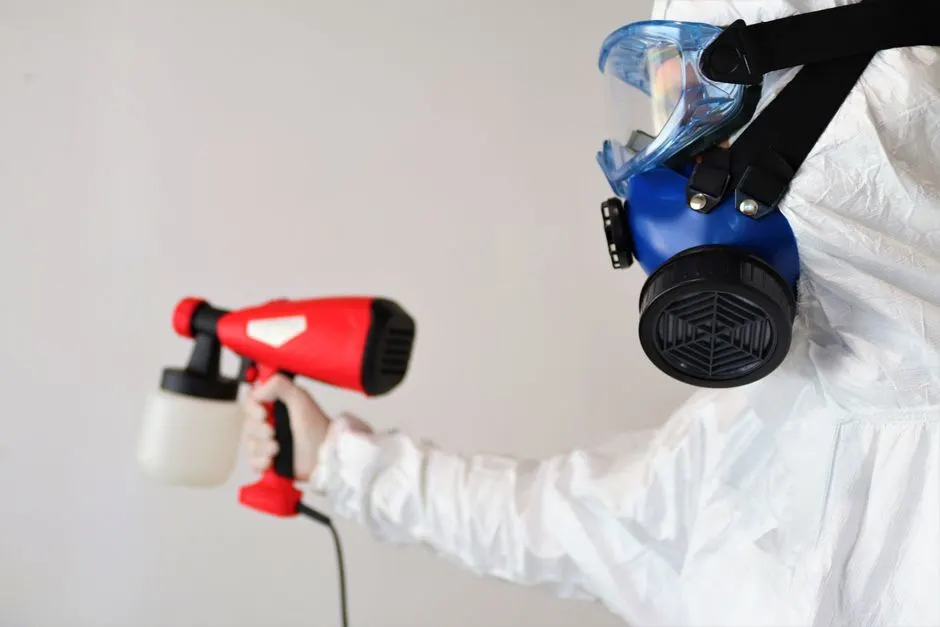 Spray Foam Removal near meIf you are searching for spray foam removal near me in London, we cover every borough from Westminster to Havering. Same survey process, same waste documentation, whether it is a warehouse or a smaller commercial unit.Explore →
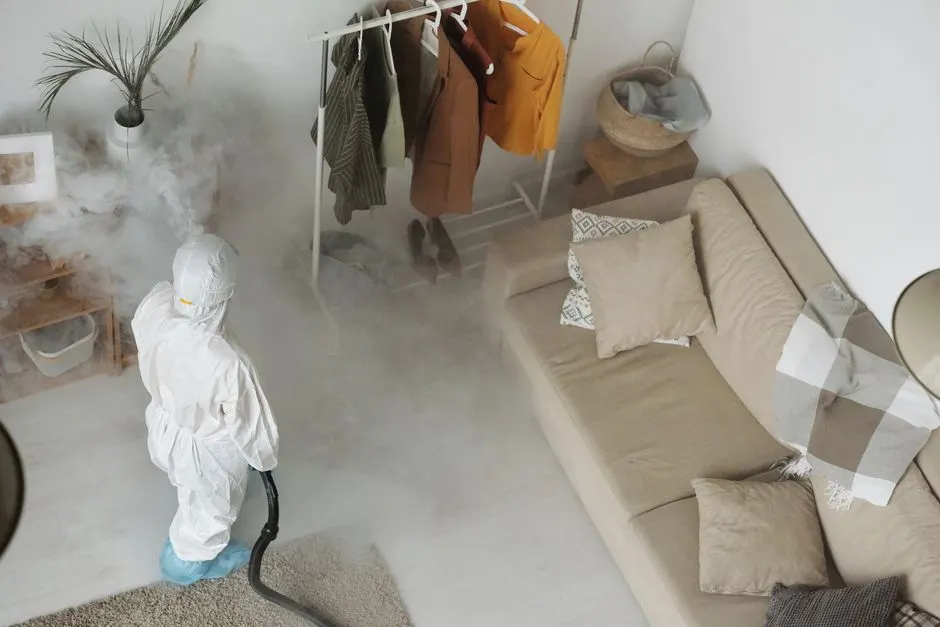 same day Spray Foam RemovalFor urgent leaks tracking under foam, we can often attend the same day across inner London and make the roof safe. Full strip-out is then scheduled around your operating hours so stock is not exposed.Explore →
 24/7 Spray Foam RemovalWater ingress under foam does not wait for office hours. Our 24/7 line covers emergency call-outs across Greater London, so you can get a containment and make-safe response before the full warehouse strip-out begins.Explore →
 Residential Spray Foam RemovalThe same techniques we use in warehouses scale down to lofts and attics. If a house survey has flagged foam, our residential team removes it with the same containment and documentation standards.Explore →
 Commercial Spray Foam RemovalWarehouse work sits inside our wider commercial spray foam removal service, covering retail units, self-storage, light industrial and mixed-use buildings across London. Phased working keeps your operation running.Explore →
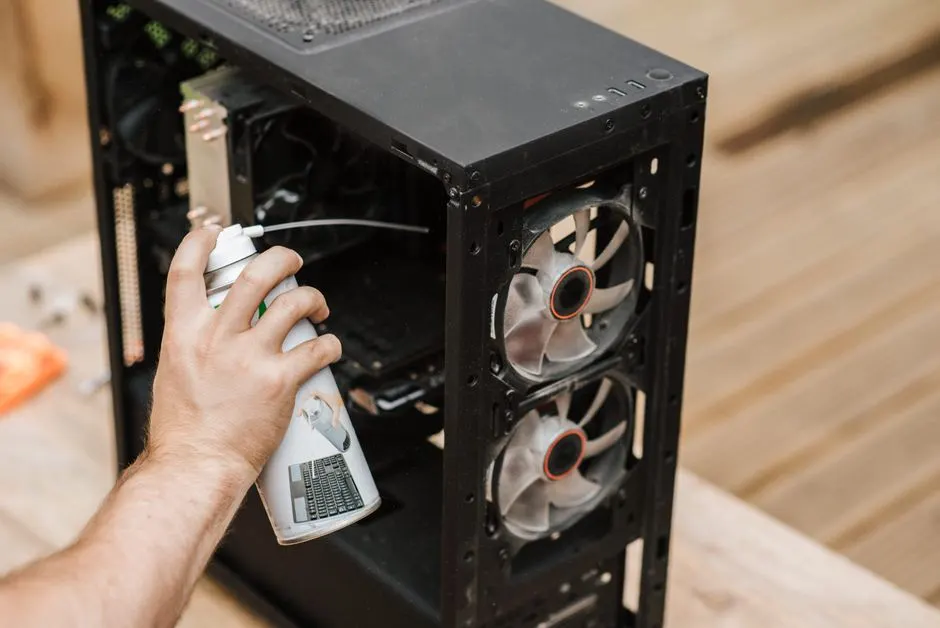 loft spray foam removalLoft spray foam removal is the residential counterpart to warehouse stripping. Foam between rafters traps condensation and blocks ventilation, and we remove it without damaging the roof structure or the felt.Explore →
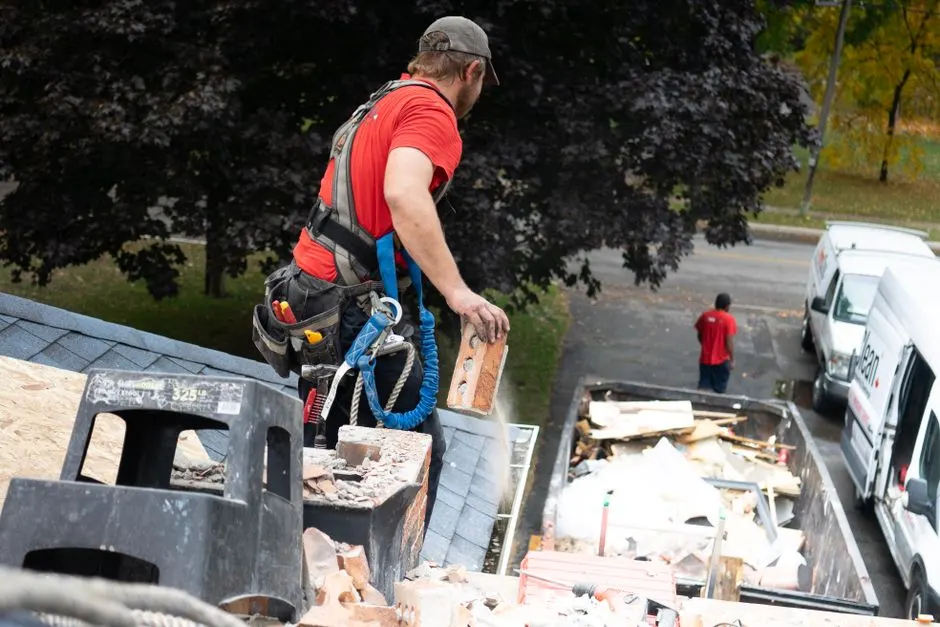 roof spray foam removalRoof spray foam removal on commercial buildings means working from inside the void wherever possible, avoiding scaffold costs. We strip foam from deck sheets and purlins and restore the ventilation path the roof was designed with.Explore →
 Attic spray foam removalAttic spray foam removal follows the same method as our warehouse work, scaled to domestic roof spaces. We contain dust, bag the debris and photograph the exposed timbers for your records.Explore →
We survey, we quote a fixed price, and we leave site with the waste transfer notes your lender or insurer wants to see. Four years stripping foam across Greater London. Call 020 8088 5342 and we will book your survey this week.
Book a survey 02080885342 →Call 02080885342 between 8am and 6pm Monday to Friday, or leave a message any time and we will call you back the next morning. Most surveys are booked within 48 hours and quotes go out the same day. Email works too if you have photos of the loft to send over.